
Rwanda is small on the map but enormous in experience. Adventure safaris Rwanda combine volcano-backed gorilla treks, chimpanzee tracking in ancient rainforest, savanna game drives and lakeside escapes, all within a country you can cross in a day. Clean, safe and superbly organized, Rwanda suits travelers who want real physical adventure without the logistical headaches of larger safari destinations. This guide explains what makes an adventure safari in Rwanda special, which activities to include, how to plan, what to pack and how your trip supports conservation.
What Are Adventure Safaris in Rwanda?
An Adventure Safaris Rwanda beyond watching wildlife from a vehicle. It puts you on foot, on the water and sometimes on two wheels, so you experience the landscape rather than just viewing it. In Rwanda, that means hiking through bamboo forest to meet mountain gorillas, walking a canopy bridge high above Nyungwe’s treetops, tracking chimpanzees at dawn, and then switching to open-vehicle game drives in Akagera National Park.
Because distances are short, you can combine several of these in a single trip of five to ten days. That compactness is Rwanda’s greatest advantage: more time on adventure, less time on the road.
Core Adventure Activities
Gorilla Trekking in Volcanoes National Park
This is the headline experience. Volcanoes National Park, in the northwest, protects part of the Virunga Massif and is home to habituated mountain gorilla families. You hike through farmland, bamboo and montane forest, then spend one hour with the family. Groups are capped at eight visitors per family per day, and treks can last from about one to four hours each way.
Golden Monkey Tracking
Also in Volcanoes National Park, golden monkey tracking is a lighter, shorter activity. These agile, orange-gold primates live in the bamboo zone and are lively subjects for photography. It pairs well with a gorilla trek, though many visitors do it on a separate day.
Hiking the Volcanoes
For serious hikers, the Virunga volcanoes offer demanding climbs. Mount Bisoke rewards you with a crater lake at the summit, while Mount Karisimbi, the highest of the range, is a challenging two-day ascent with overnight camping. The Dian Fossey hike leads to the ruins of her research camp and grave site, combining history with a forest walk.
Chimpanzee Tracking and the Canopy Walk in Nyungwe Forest
Nyungwe Forest National Park is one of Africa’s oldest rainforests and a haven for primates, birds and orchids. Chimpanzee tracking here begins early in the morning and can involve steep, slippery trails. The canopy walkway, suspended roughly 50 meters above the forest floor, offers a rare treetop perspective. Nyungwe also supports colobus monkey troops and many endemic bird species.
Game Drives in Akagera National Park
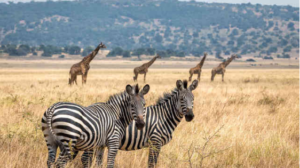
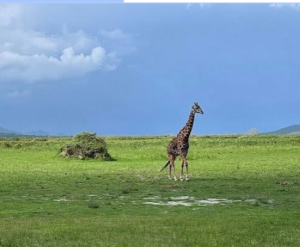
Akagera, in the east, is Rwanda’s savanna park. Once heavily affected by poaching, it has made a remarkable recovery, and today it hosts lions, elephants, giraffes, zebras, hippos and both black and white rhinos. Game drives, boat safaris on Lake Ihema and guided night drives make Akagera a rewarding addition to a primate-focused itinerary.
Lake Kivu Activities
After forest and savanna, Lake Kivu offers a gentler pace. Options include kayaking, boat trips, cycling along the shoreline and relaxing at lakeside lodges. The Congo Nile Trail, a scenic route along the lake’s edge, is popular with cyclists and hikers.
Cultural Adventures
Community visits, traditional dance, craft workshops and the Kigali Genocide Memorial add depth to any itinerary. They provide context on Rwanda’s history and its remarkable recovery, and they connect your trip to the people who make conservation possible.
Sample Itineraries
5-day gorilla and culture adventure
- Day 1: Arrive in Kigali, city tour and memorial visit
- Day 2: Drive to Volcanoes National Park area
- Day 3: Gorilla trekking
- Day 4: Golden monkey tracking or Dian Fossey hike
- Day 5: Return to Kigali and depart
8-day primates and savanna adventure
- Days 1 to 2: Kigali and transfer to Volcanoes National Park
- Day 3: Gorilla trekking
- Day 4: Golden monkey tracking, then drive to Lake Kivu
- Day 5: Kayaking or relaxing at the lake
- Day 6: Drive to Nyungwe for chimpanzee tracking and canopy walk
- Days 7 to 8: Return to Kigali, with an optional Akagera extension
10-day complete Rwanda adventure
- Add Akagera National Park for two nights of game drives and a boat safari, and consider a volcano hike for active travelers.
Best Time for Adventure Safaris in Rwanda
Rwanda has two dry and two wet seasons.
- Long dry season (June to September): The most popular period. Trails are firmer and easier, and conditions suit photography and hiking. Book well in advance.
- Short dry season (December to February): Also good for trekking, with pleasant weather and a festive atmosphere.
- Wet seasons (March to May and October to November): Greener, quieter and often cheaper, but trails are muddier and more challenging. Good rain gear and sturdy boots are essential.
Because Rwanda’s mountains create their own weather, rain and mist can appear in any month.
Fitness and Preparation
Adventure safaris Rwanda require a reasonable level of fitness.
- Walk or hike regularly for several weeks before you travel, preferably on hills or stairs.
- Break in waterproof hiking boots well before departure.
- Build leg strength and cardiovascular stamina with squats, lunges and stair climbing.
- Hire a porter for treks. They carry your daypack, assist on slippery sections and support local families.
- Allow a rest day after demanding hikes, especially if you are combining multiple activities.
What to Pack
- Waterproof hiking boots with excellent grip
- Long-sleeved shirts and long trousers in neutral colors
- A lightweight waterproof jacket and warm layers
- Gardening gloves and gaiters or long socks
- Insect repellent, sunscreen, hat and sunglasses
- Binoculars and a camera with a good zoom lens, no flash
- A refillable water bottle and light snacks
- A daypack, dry bags and a power bank
Permits, Costs and Booking
Gorilla trekking requires a permit, and the number issued each day is limited. Rwanda positions itself as a premium, low-volume destination, so permit prices are generally higher than in neighboring Uganda and may change over time. Chimpanzee tracking, golden monkey tracking, volcano hikes and Akagera entry carry separate fees. Always confirm current prices with the Rwanda Development Board or your operator.
Book six to twelve months ahead for peak seasons. Working with a reputable operator simplifies permits, transport, accommodation and guiding, and allows you to build a tailored itinerary.
Conservation and Community Impact
Adventure tourism is central to Rwanda’s conservation success. Permit and park fees support ranger patrols, veterinary care and habitat protection. A share of tourism revenue is directed to communities near the parks, funding schools, clean water and health projects. This gives local people a tangible reason to protect wildlife.
You can add to that impact by choosing responsible lodges, hiring local guides and porters, buying crafts from local artisans, avoiding single-use plastics and following all wildlife rules. Rwanda has also introduced a national ban on single-use plastic bags, so expect to see this reflected in everyday practices.
Key Takeaways
- Adventure safaris in Rwanda blend gorilla trekking, chimpanzee tracking, volcano hikes, savanna game drives and lake activities.
- Rwanda’s compact size means short transfers and more time for experiences.
- Volcanoes, Nyungwe and Akagera national parks each offer a different habitat and set of wildlife.
- Moderate fitness, waterproof boots and layered clothing are essential for forest treks.
- Permits are limited and priced at a premium, so confirm current fees and book early.
- Dry seasons make trekking easier, while wet seasons bring fewer visitors and lush scenery.
- Your visit funds conservation and community development.
Conclusion
Adventure safaris in Rwanda deliver variety, comfort and meaning in a small, welcoming country. In a single journey you can meet mountain gorillas, track chimpanzees, walk among the treetops, spot lions on the savanna and unwind beside a mountain lake. The trip asks for some effort, such as early starts, muddy trails and steep climbs, and repays it with encounters that stay with you for years. With sensible preparation, early booking and a responsible approach, an adventure safari in Rwanda can be both thrilling and genuinely beneficial to the wildlife and communities that make it possible.
Frequently Asked Questions
- What is included in an adventure safari in Rwanda?
Itineraries commonly include gorilla trekking, golden monkey tracking, chimpanzee tracking, volcano hikes, game drives and lake activities. The mix depends on your interests, time and budget. - How many days do I need?
Five days covers a gorilla trek and Kigali. Eight to ten days lets you add Nyungwe, Lake Kivu and Akagera for a fuller adventure. - Is Rwanda safe for travelers?
Rwanda is widely regarded as one of the safest and best-organized countries in Africa. As always, follow official travel advice and your guide’s instructions. - How fit do I need to be?
Moderate fitness is enough for most activities. Gorilla and chimpanzee treks involve steep, muddy terrain at altitude, while volcano climbs such as Karisimbi are more demanding. - When is the best time to go?
June to September and December to February are the drier, easier periods. The wet seasons offer fewer crowds and green scenery but muddier trails. - Can I combine gorillas with game drives?
Yes. Many travelers pair Volcanoes National Park with Akagera for savanna wildlife, often adding Nyungwe for chimpanzees. - What is the minimum age for gorilla trekking?
The minimum age is generally 15 years. Rangers may verify ages at the briefing. - Do I need to book permits in advance?
Yes. Gorilla permits are limited each day and can sell out, so book six to twelve months ahead for peak seasons. - What should I wear?
Wear waterproof hiking boots, long trousers, long-sleeved tops, gloves and a rain jacket, dressed in layers for changing mountain weather. - How does my trip help conservation?
Park and permit fees fund ranger patrols, veterinary care and community projects. Choosing responsible operators and spending locally multiplies that benefit.